


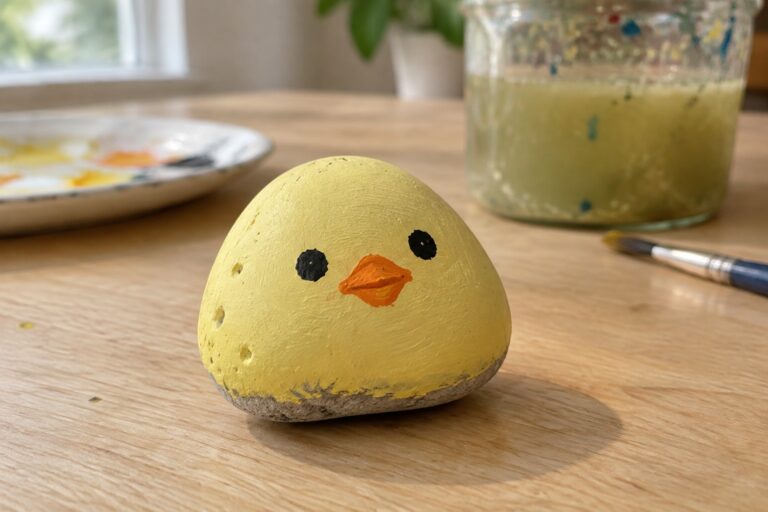
I have been painting stones for a while now and soft pastel colors are some of my favorites.
They give the rocks a calm look that works well in any room or garden.
Over time I have tried different designs that stay simple and do not need many supplies.
Some of these ideas use basic shapes while others add small touches that still feel easy to copy.
I hope a few of them might be useful if you want to try painting stones yourself.
Pastel Yellow Chick Rock
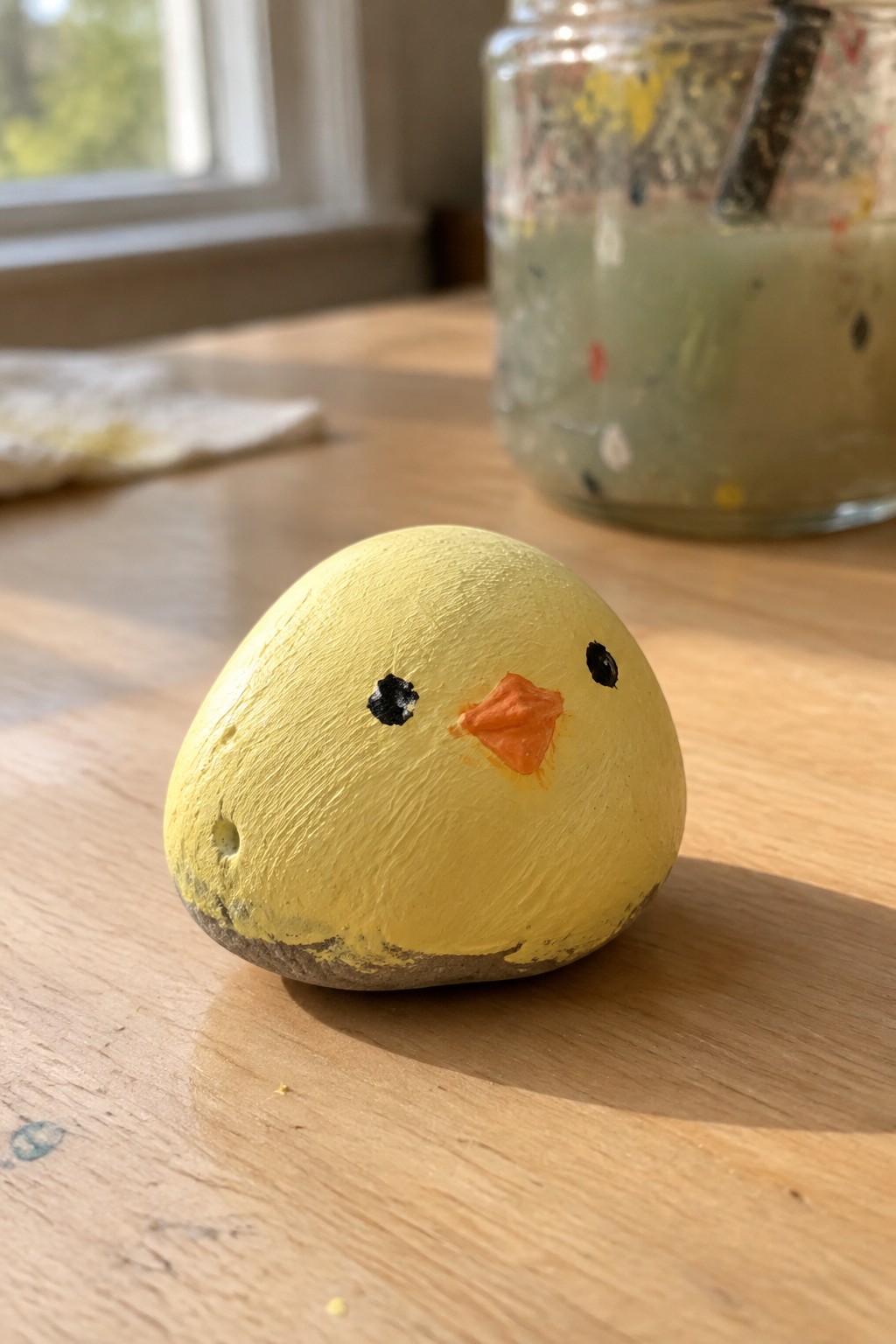
A small rounded stone painted in soft yellow works as a simple chick by adding two black dot eyes and a tiny orange beak on the curved front. The natural oval shape of the rock already suggests a bird body so the design stays minimal and clean. This animal rock idea fits the cute pastel category because the yellow stays light and the face uses basic color blocking that reads clearly from a short distance.
What makes this idea useful is how little it needs to look finished on almost any smooth river rock or beach stone. The same chick face adapts easily to a flatter pebble by shifting the beak slightly lower or to a larger stone by adding soft wing lines on the sides. It works well as a windowsill accent or tucked into a planter for a quick spring touch and stands out on Pinterest because the pastel color plus the simple face reads instantly as a baby bird without extra details. You could change the yellow to mint or lavender and keep the same eye and beak placement for a whole set of different birds.
Strawberry Painted Stone
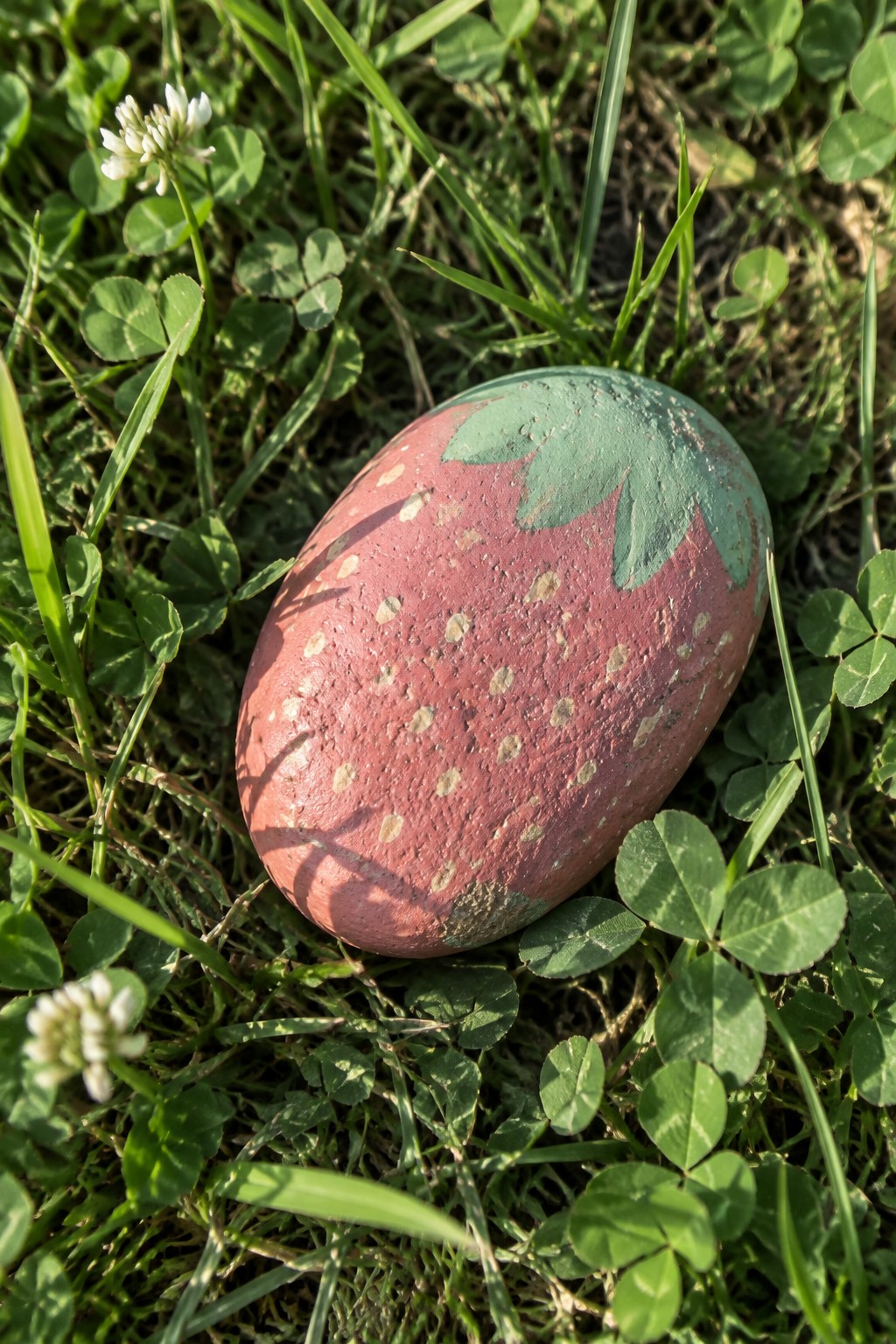
A strawberry painted rock turns an oval stone into a simple fruit accent by covering the main body in red and adding scattered pale dots for seeds. The design finishes with a green leafy section at the top that follows the curve of the stone. This food-inspired rock works because the natural rounded shape already suggests the berry form, and the clear color blocking keeps the motif easy to read from a short distance.
The rounded stone shape makes this smart for tucking into planters or along garden paths where it adds a cheerful spot without competing with real plants. You could rework the same idea in softer pink and mint tones to better match the pastel palette used across the rest of the collection. The small size also makes it simple to turn into a desk accent, a gift topper, or a single piece in a larger painted rock set.
Pastel Ladybug Pebbles for Small Displays
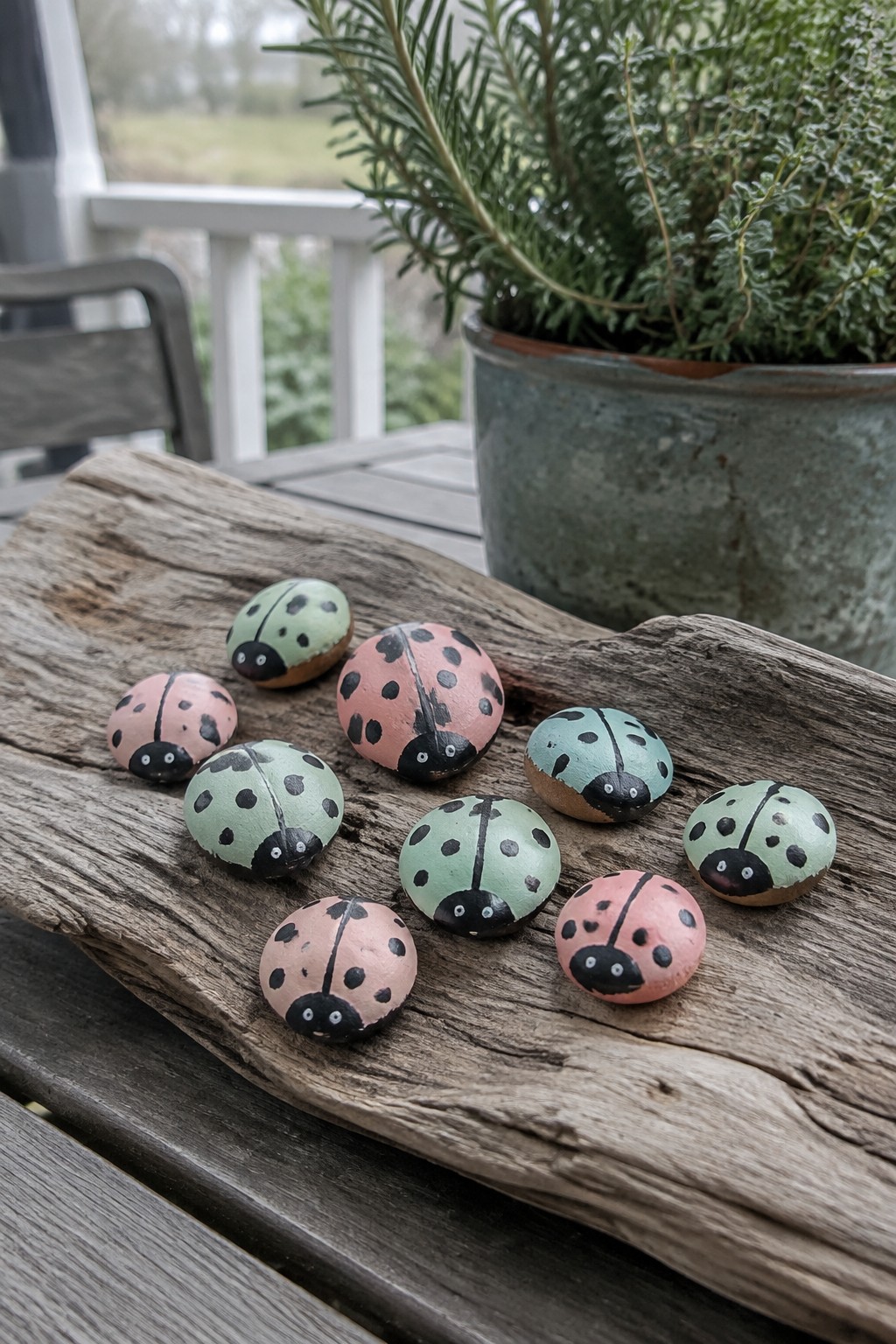
Small rounded stones work well for this project because their compact oval shape already suggests a ladybug body. Each stone gets a soft pastel base coat in pink, mint, or light blue, followed by a central line, black spots, and a simple head shape at one end. The design stays within the bug rock category and stays easy to repeat across a handful of similar pebbles.
What makes this idea useful is how the light colors keep the finished pieces from feeling heavy in a small space. You can place a few in a houseplant, line them along a windowsill, or add them to a porch tray without taking up much room. The same motif adapts quickly if you switch to a flatter stone by reducing the number of spots or making the head slightly wider. For garden decor this type of painted rock fits nicely in shallow planters or along the edge of a flower bed where the soft palette blends with foliage.
Pastel Rainbow Across a Rounded Stone
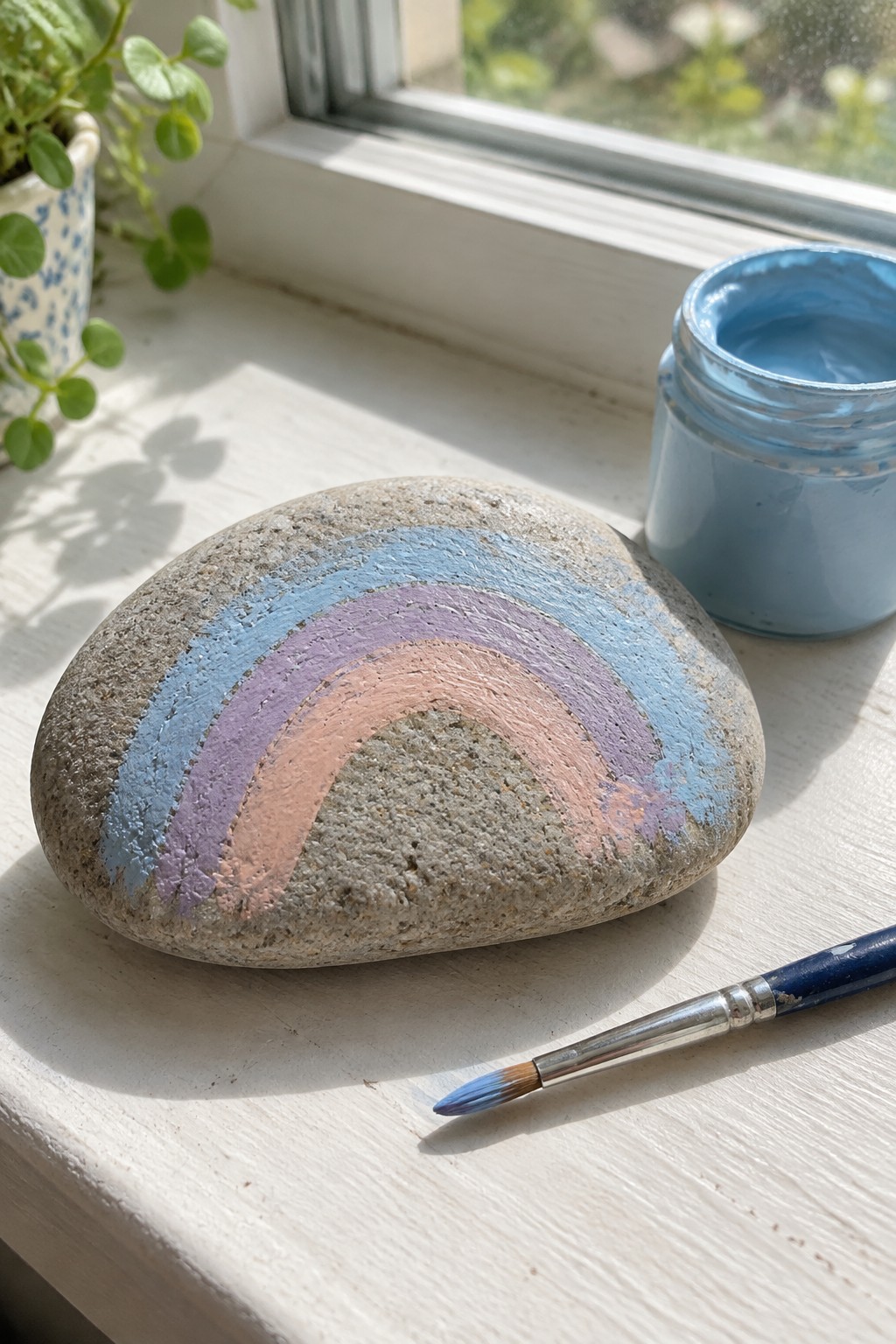
A smooth rounded stone works as the base for a simple rainbow painted in four soft pastel bands. Light blue, lavender, peach, and a second blue arc curve across the surface, leaving the natural gray texture exposed at the edges and between colors. The design uses basic color blocking that follows the stone’s shape without extra outlines or details.
What makes this idea useful is how the rock’s curve does most of the layout work for the arcs. A painted rock like this works especially well as a windowsill accent, inside a planter, or added to a shelf display. The small scale makes this easy to adapt by dropping one color or changing the order to fit whatever pastel shades you already have on hand.
Pastel Mint Bunny Rock
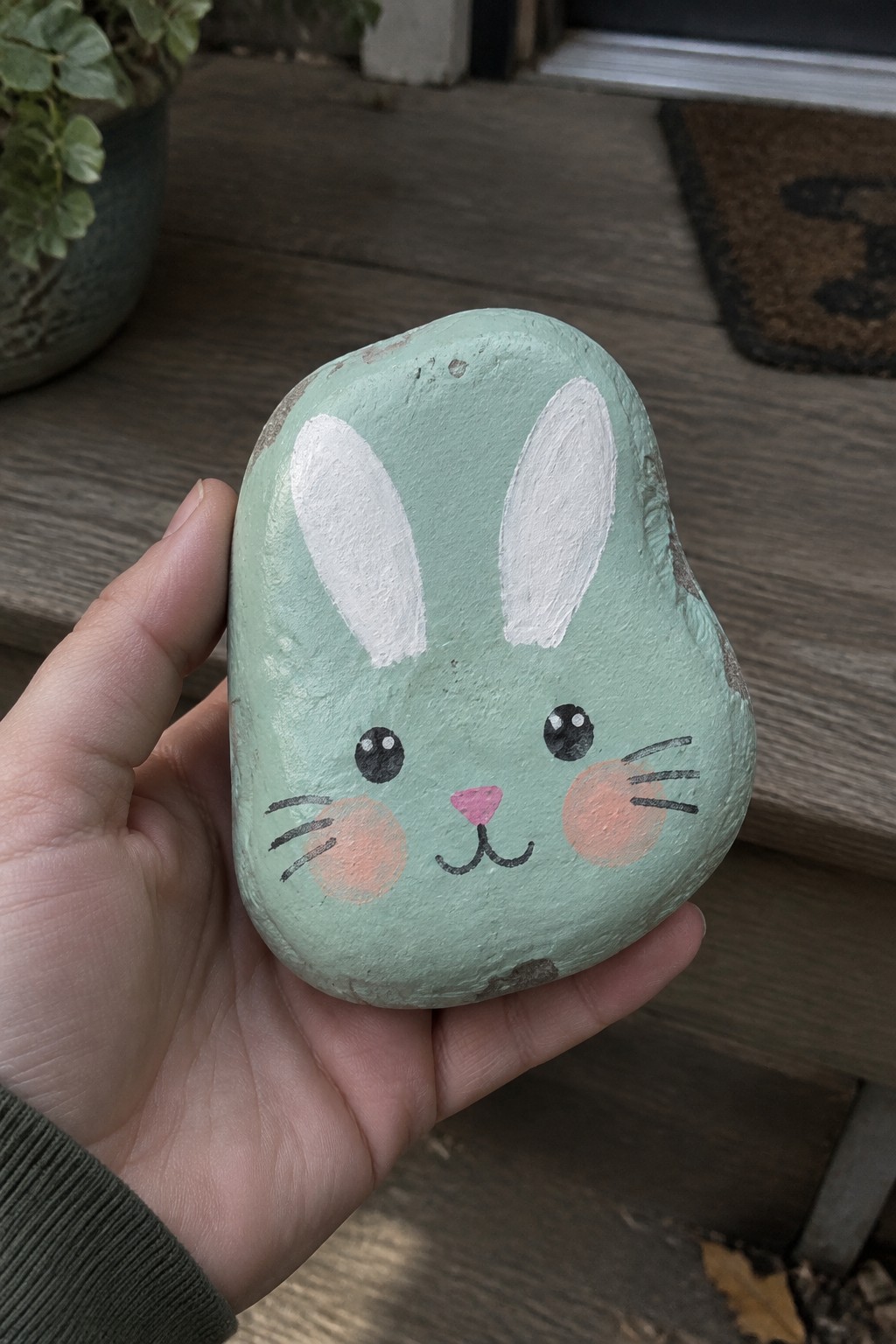
A rounded stone painted in soft mint green makes a simple animal rock project with a bunny face. The design uses white paint for tall ears that stand out on the curved surface, then adds black eyes, a pink nose, peach cheeks, and thin whiskers to finish the look. This approach keeps the base color light and even so the facial details stay clear without needing many layers. It works as a small decorative stone craft that fits easily into collections of cute painted rocks.
The rounded shape helps the bunny sit upright on a shelf or in a planter without tipping. You can change the ear color or swap the cheek shade to match other pastel tones in the same set. A painted rock like this works especially well as a quick gift or a piece to tuck into a flower bed for a seasonal accent. The small size also makes it simple to repeat the same face on several stones for a matching group.
Pastel Mushroom Painted Rocks for Planters
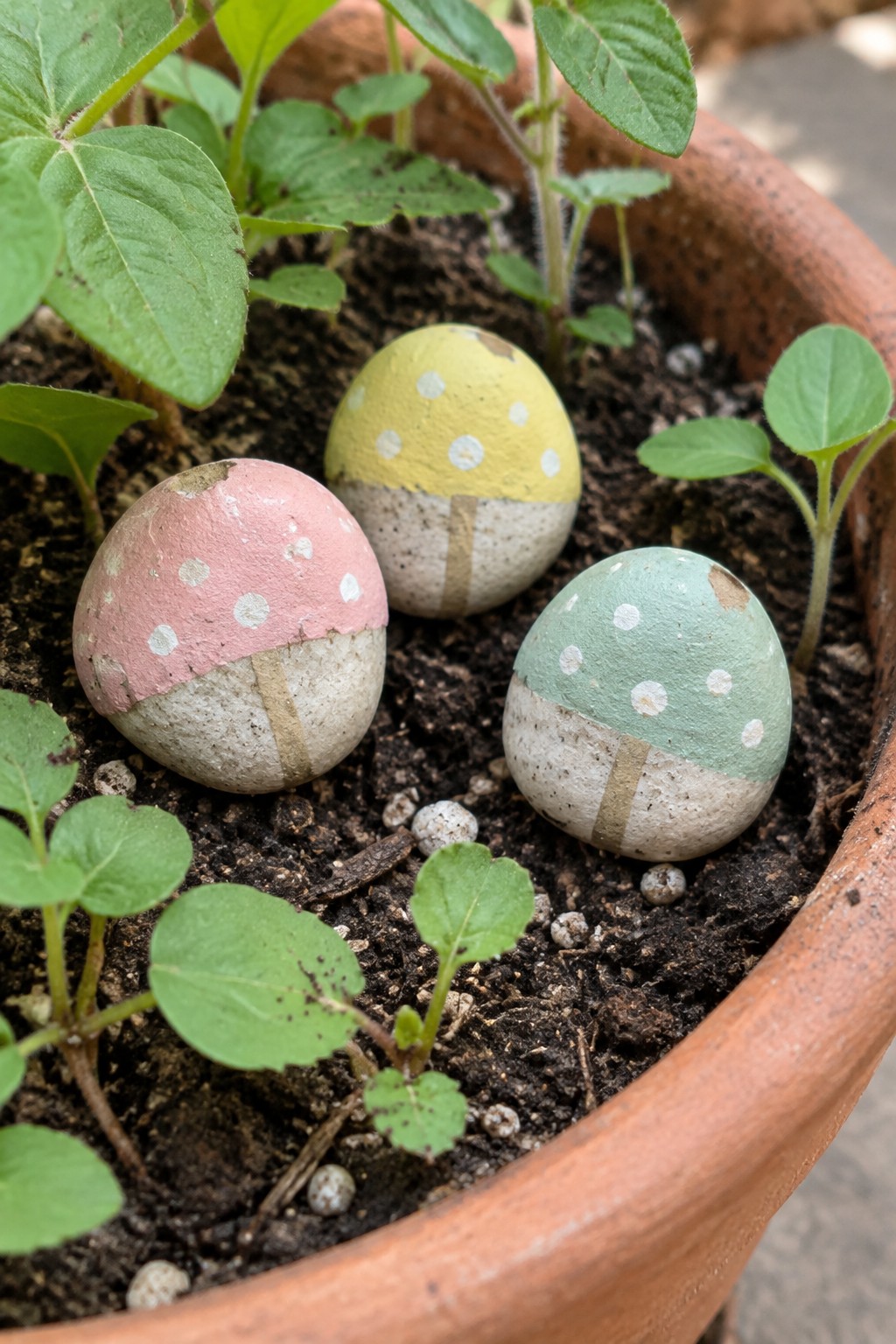
Rounded garden stones work well for this project because their natural curve mimics a mushroom cap. Each rock is painted with a soft pastel color on the upper half, white dots scattered across the top, and a thin brown band separating the colored section from the lighter lower half that stays closer to the stone’s original tone. The design uses simple color blocking and basic dots rather than fine detail, which helps the painted surface follow the rock’s rounded shape without needing perfect symmetry. This turns plain stones into small decorative pieces meant for soil or planter displays.
The rock shape does a lot of the work here since the dome form already suggests a mushroom without extra carving or shaping. These painted stones fit easily into existing plant pots, flower beds, or mulch areas where they add color without crowding plants. The same idea adapts quickly to other soft shades or different rock sizes by adjusting the width of the band or the number of dots. For garden decor, the design stays visible from above and holds up in outdoor settings when sealed.
Soft Pastel Cat Rocks
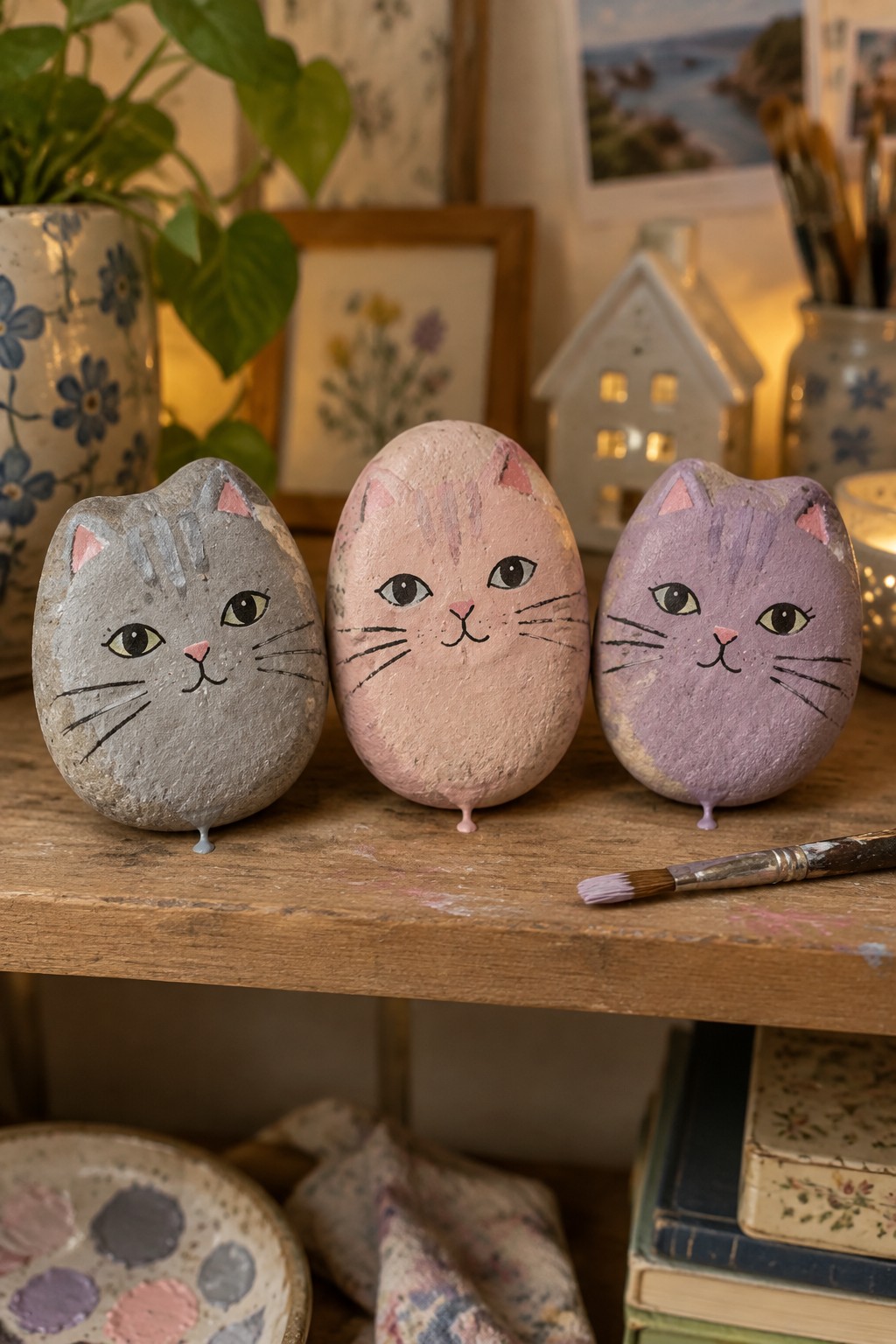
Painting smooth rounded stones with cat faces in soft pastel shades turns ordinary rocks into a simple animal craft project. The gray, blush pink, and lavender colors stay light and even across the stone surfaces while black linework creates the eyes, whiskers, and small mouths. Pink triangles mark the inner ears and help define the cat shape without needing extra layers. The natural curves of the stones support the rounded heads and make the faces sit evenly.
The rock shape does a lot of the work here since the rounded form already suggests a cat head and reduces the need for complex outlines. These would work well as shelf accents, tucked into a houseplant, or given as a small set. The same cat face layout can be adjusted for different stone sizes by moving the ear placement or swapping in other pastel tones like mint or peach. The clean color blocking and minimal details make the design easy to repeat or scale for more rocks.
Soft Pastel Hedgehog Stone
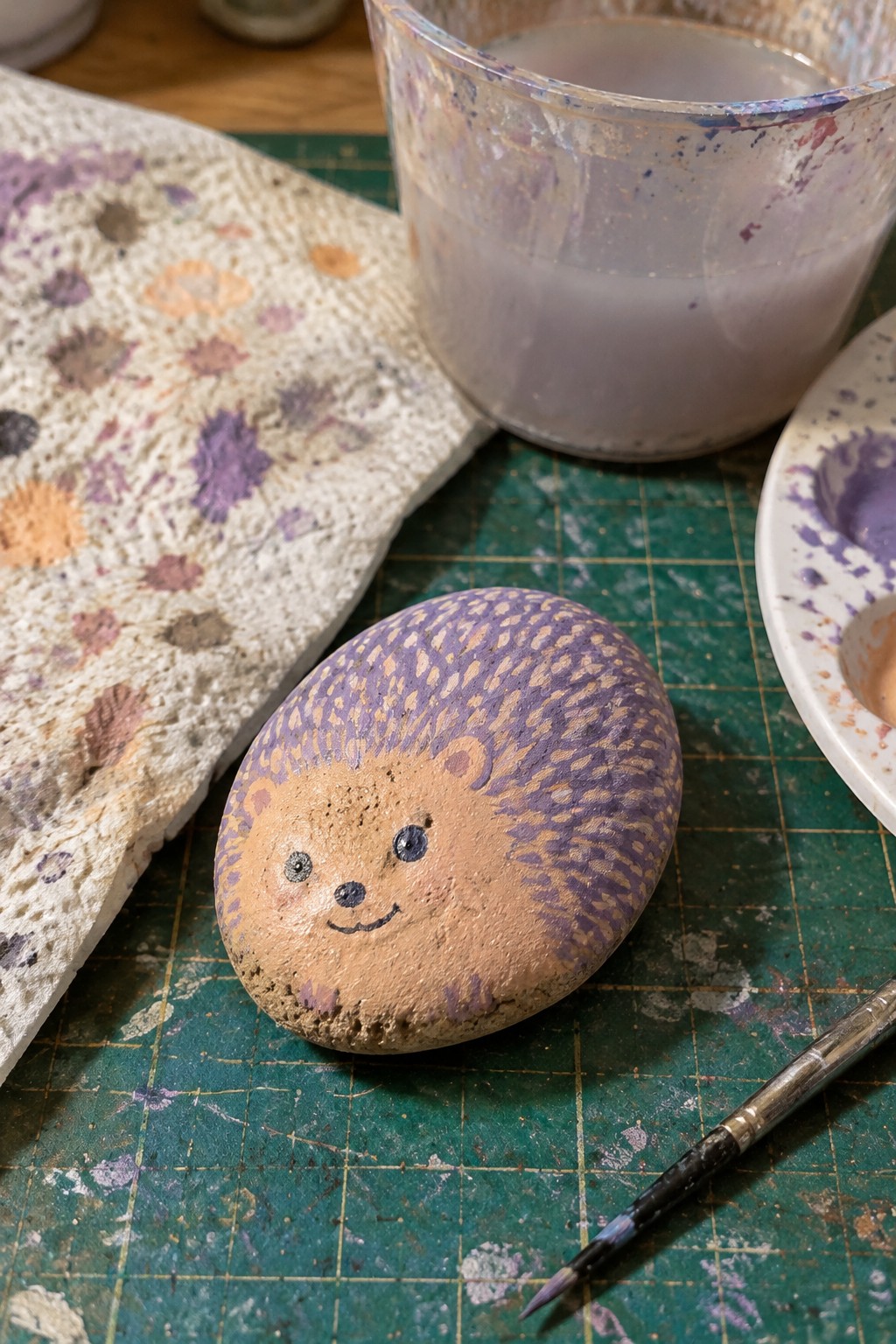
A rounded stone works well for a hedgehog design because its oval shape already suggests a curled animal body. The face area gets a soft brown base coat with simple black dots for eyes and nose plus a short curved line for the mouth. The remaining surface is filled with layers of small purple and beige marks that read as spines while staying inside a muted pastel range. This approach stays clearly on a physical rock and fits the animal rock category.
What makes this idea useful is how the same layout adapts to different stone sizes without much change. The rounded form handles most of the shaping, so the face and spine pattern can be adjusted by adding or removing a few rows of marks. A painted rock like this fits into a planter, on a shelf, or among other small garden accents. You could swap the purple for another soft color such as sage or peach and keep the rest of the layout intact.
Pastel Watermelon Painted Stone
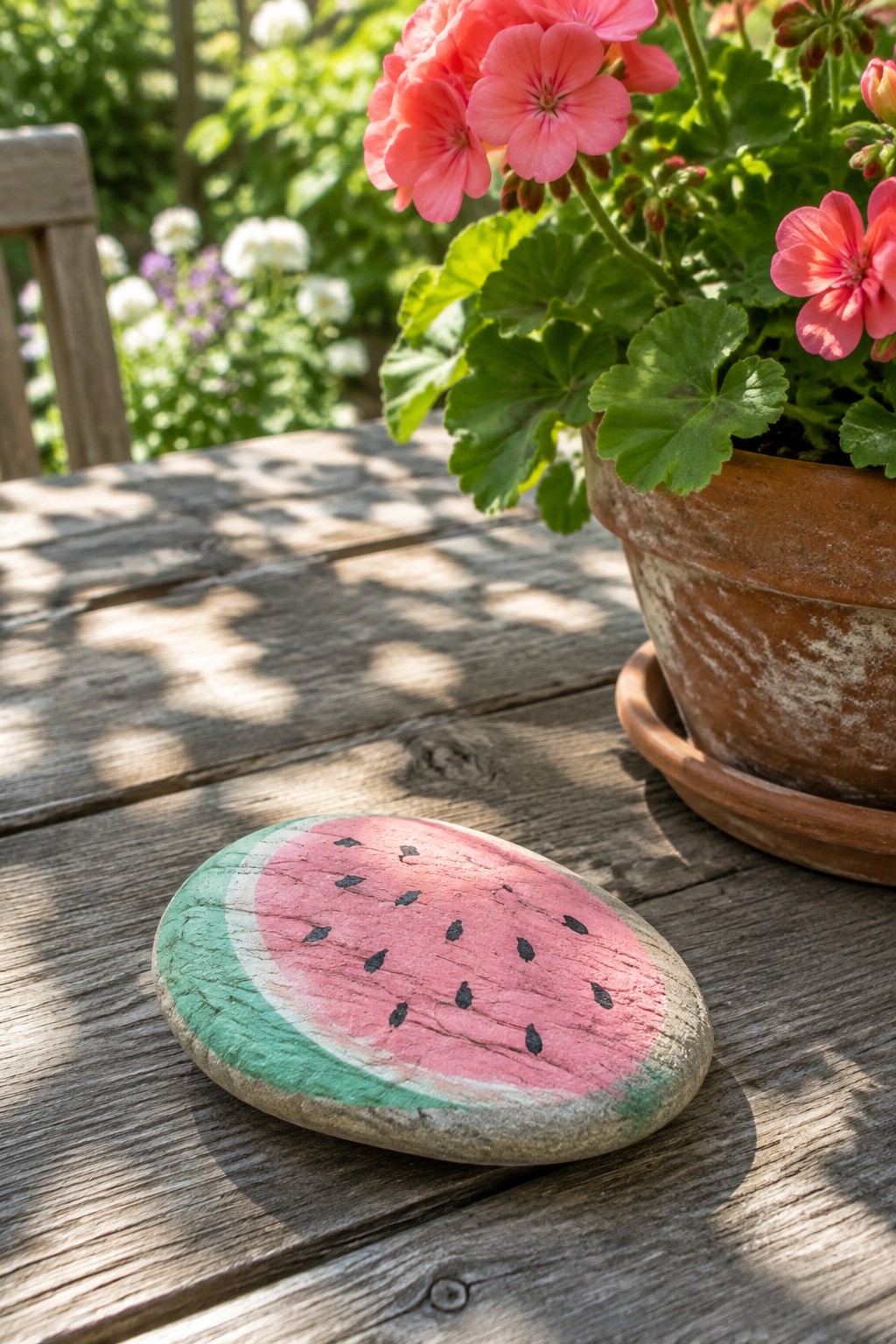
A smooth, flat oval stone painted to look like a watermelon slice creates an easy food-inspired garden accent. The design uses soft pink across the center with small black seed shapes scattered on top, then adds a clean white band and mint green edge to suggest the rind. This approach works because the rock’s natural rounded form already gives the slice its shape, and the simple color blocking keeps the whole piece light and summery.
What makes this idea useful is how well it fits in a planter, along a windowsill, or mixed into a group of other fruit rocks. The soft pastel pink and green stay gentle enough to blend with flowers or patio pots without overpowering them. You could repeat the same color bands on a rounder pebble for a matching set or drop the seeds entirely to make a quicker version on smaller stones.
Pastel Penguin Painted Rock
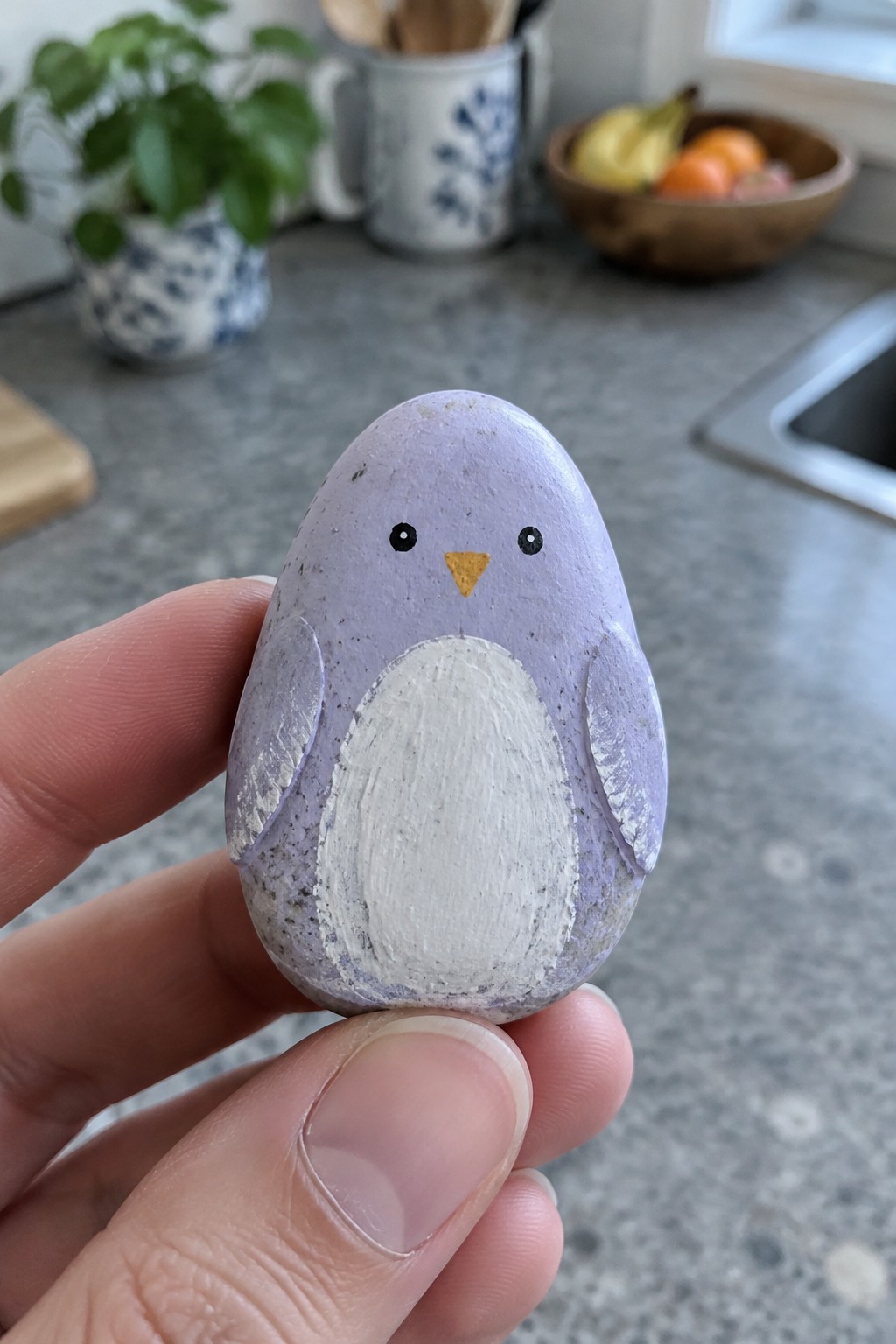
A small oval stone painted as a penguin uses the natural egg shape to suggest a round bird body without extra carving or sculpting. Soft lavender covers the upper portion while a white belly section creates clear contrast through simple color blocking. Black dot eyes and a tiny orange triangle beak keep the face minimal and readable from a short distance. This approach fits the animal rock category and works because the smooth stone surface lets the paint sit evenly without heavy buildup.
What makes this idea useful is how the compact size and basic layout adapt easily to other pastel colors or a whole group of matching pebbles. The same shape and belly placement can be repeated in mint, blush, or pale blue for a coordinated set that fits in planters, on a kitchen windowsill, or along a garden path edge. You could enlarge the design on a bigger stone for a shelf accent or shrink it further for a pebble collection. The straightforward color areas also make it simple to paint several versions in one session without needing fine detail work.
Soft Pastel Daisies on a Flat Garden Stone
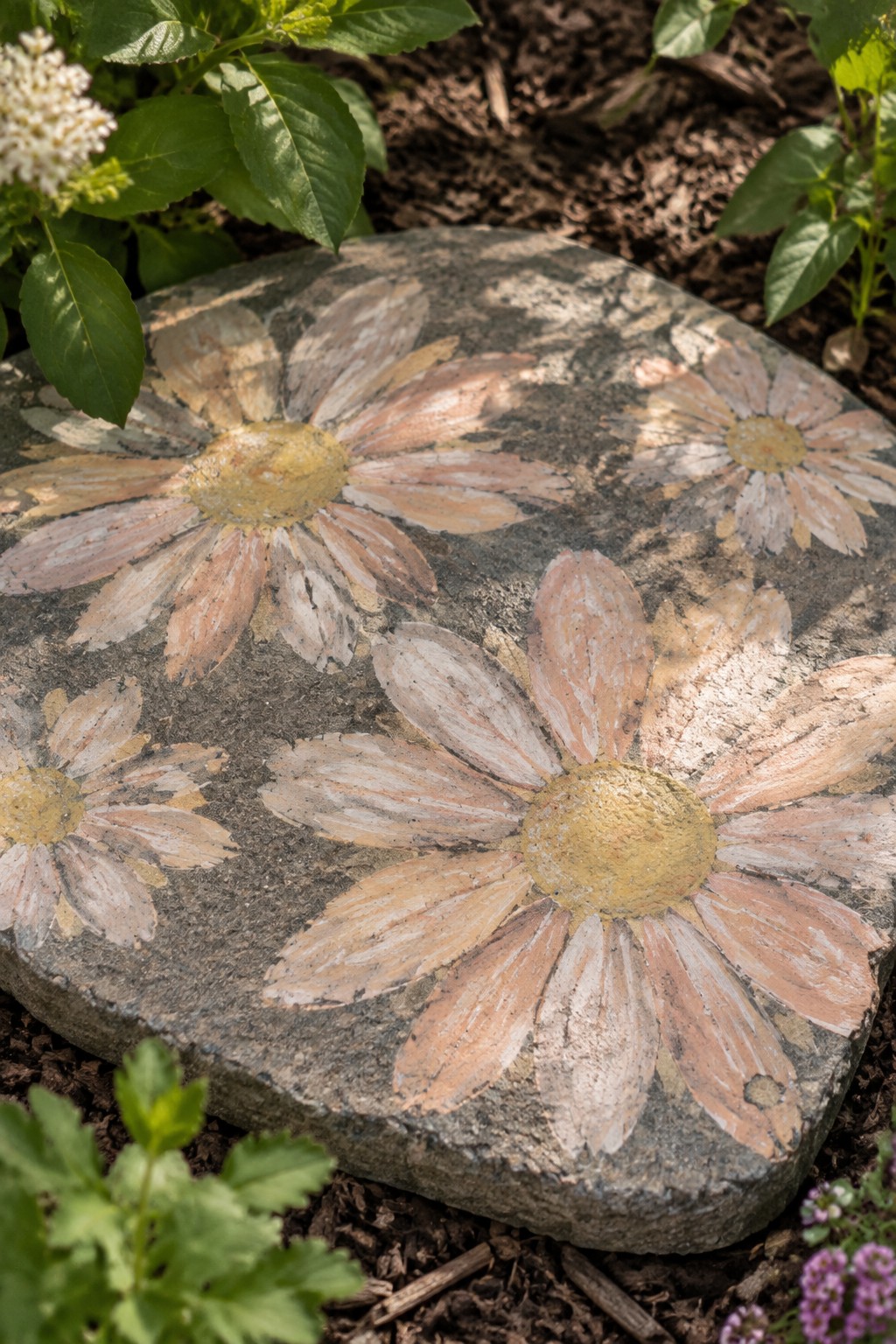
A flat, irregular garden stone makes a good surface for painting several overlapping daisies in soft pastel tones. The petals are painted in muted peach and cream shades with yellow centers, and the design lets some of the stone texture show through between the flowers. This style of flower rock works as simple garden decor that can sit in soil or mulch without looking out of place.
The rock shape does a lot of the work here because the broad flat area fits multiple flowers without feeling cramped. You could repeat the same pastel daisy layout on smaller stones for a planter border or change the petal colors slightly to match different flower beds. The idea stands out on Pinterest because the soft color blocking reads clearly even in small photos.
Pastel Bee Rock and Flower Pebble
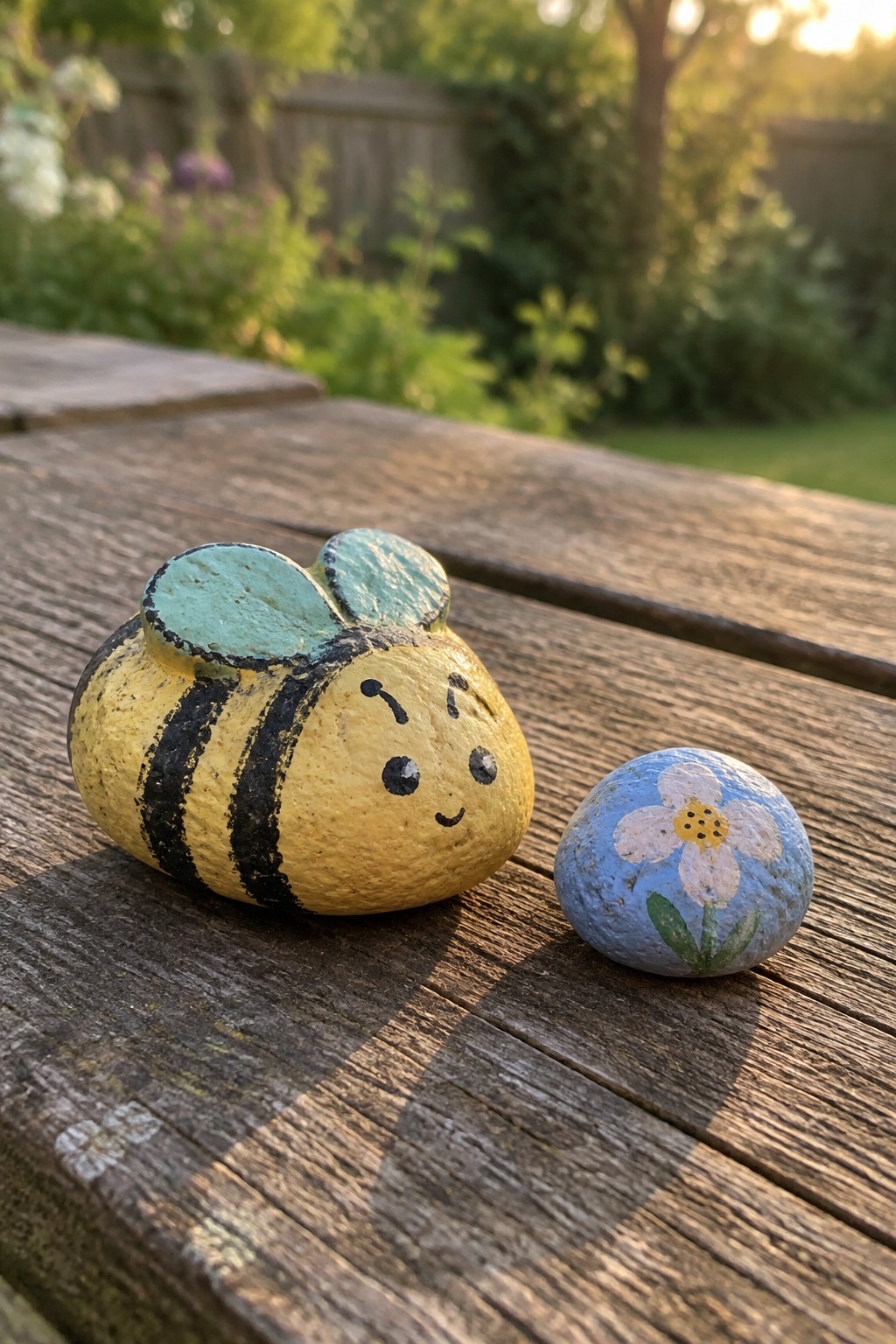
A rounded stone gets a yellow base with bold black stripes to form a bee shape, then light blue wings added on top and a simple face using dots and curved lines. The smaller blue stone next to it shows a white flower with a yellow center and green stem details, both using soft pastel tones that keep the overall look light. This creates a bug rock paired with a flower rock that works as garden decor or small accents for planters and shelves.
The natural curves of the stones let the stripes and petals follow the surface without extra prep work. You can swap the bee’s wing color for another pastel or shrink the flower design onto even smaller pebbles for a matching set. These hold up well outdoors in flower beds or on porch steps because the soft color palette blends with plants while the clear motifs stay visible from a short distance.
Pastel Heart Stones for Shelf and Gift Displays
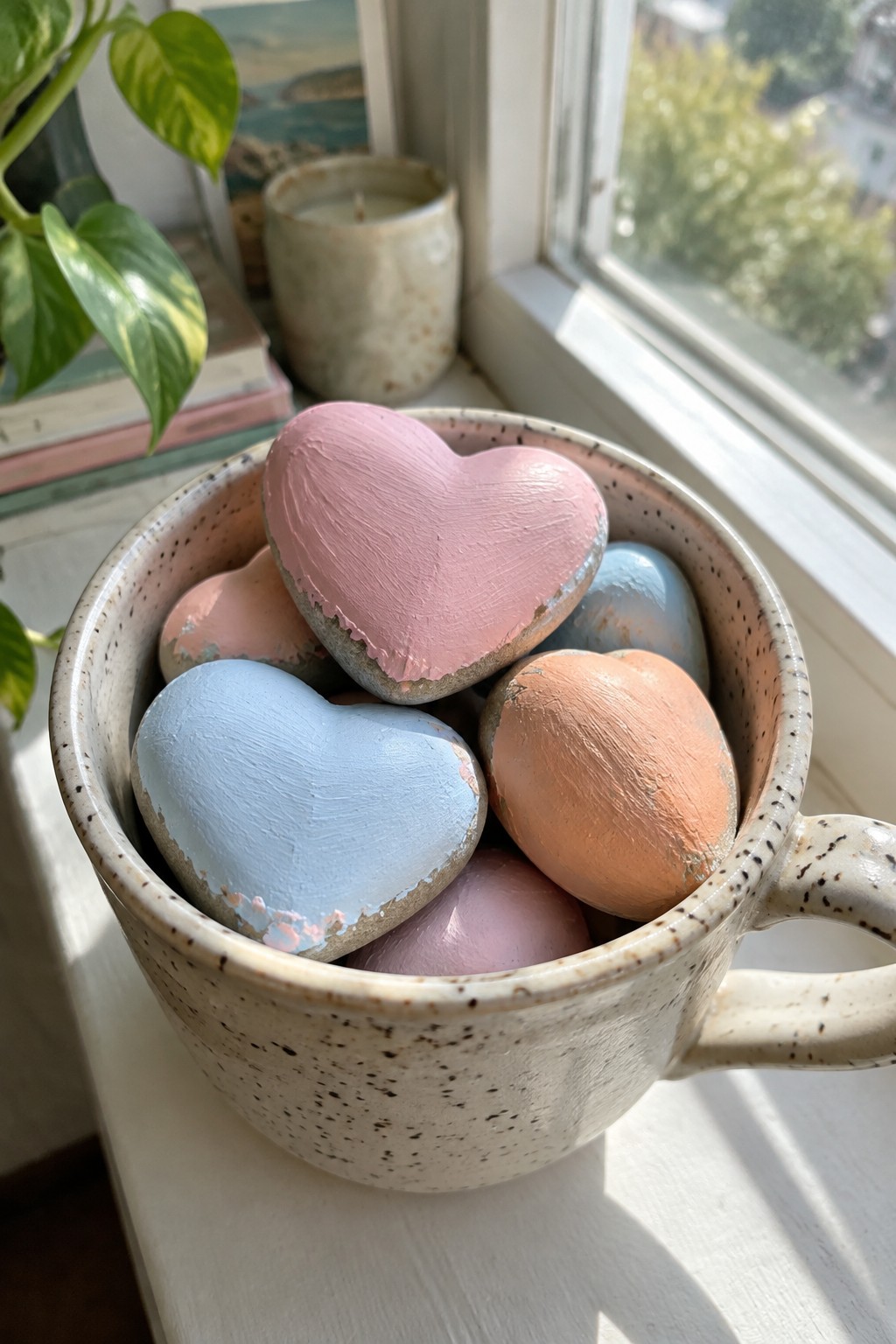
Heart-shaped stones painted in solid blocks of soft pink, blue, and peach create a simple collection that relies on the natural stone contours for the motif. The paint covers most of each stone but leaves some edges and texture visible, which helps the rounded heart form stay clear without extra outlines or details. This style works as a decorative stone craft where the focus stays on the rock shape and gentle color rather than complex patterns or added elements.
What makes this idea useful is how the small size and solid color approach let you finish several stones quickly for a matching set. These work well tucked into a bowl on a shelf, scattered in a planter, or added to a gift bag as a low-key accent. You can adapt the same idea by choosing different pastel combinations or leaving more of the original stone surface exposed for a varied look across the group. The rounded edges make the stones easy to arrange without tipping or needing special holders.
Pastel Sea Turtle Painted Stone
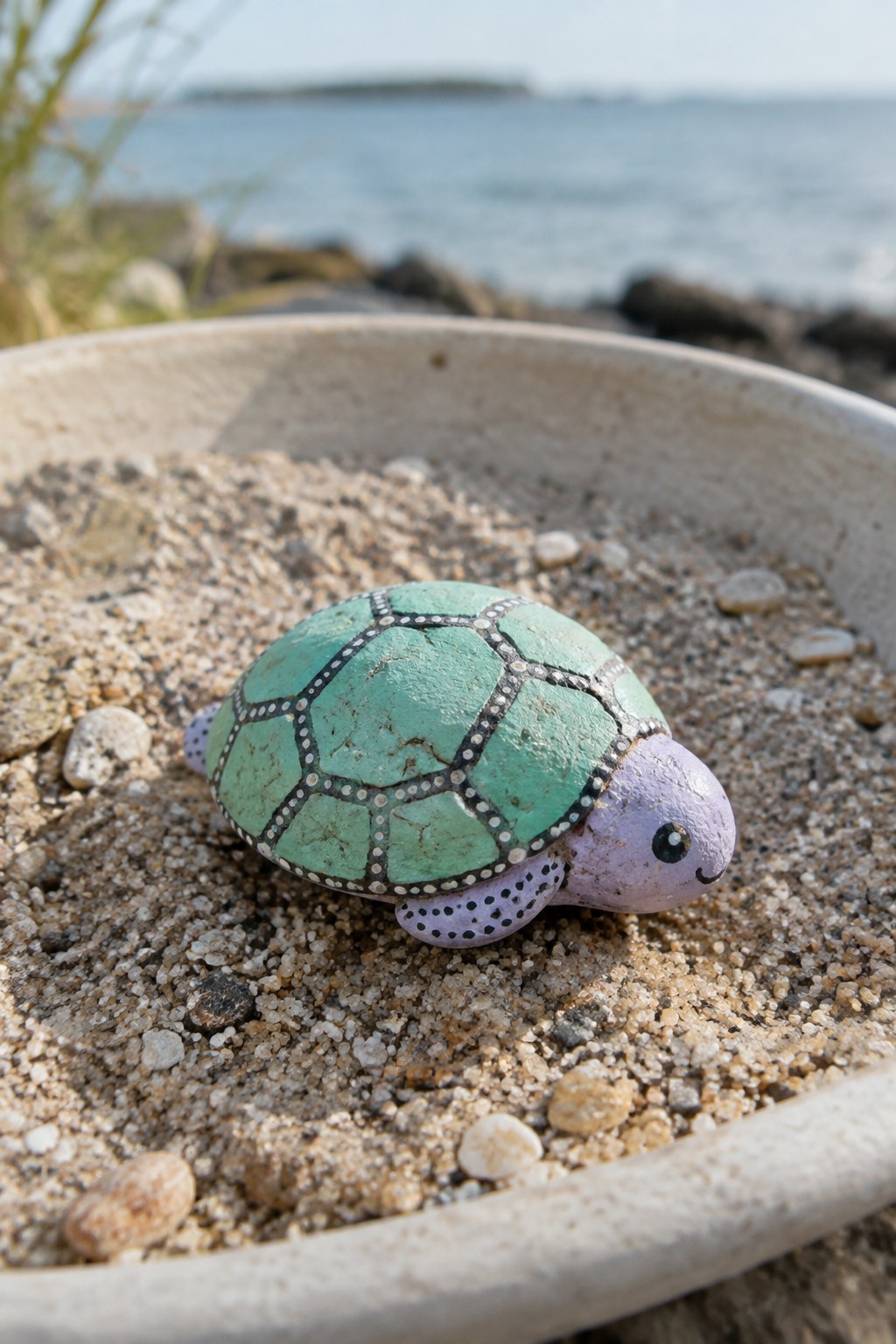
A smooth oval stone works well for this project because its natural dome shape already suggests a turtle shell. The top gets painted in soft turquoise with black grid lines to mark the shell segments while the head and front flippers are done in pale purple with small black dots for texture. Simple outlines and dots keep the design light and readable without needing fine detail work.
What makes this idea useful is how the rounded stone shape does most of the work for the turtle form. You can swap the turquoise and purple for any other soft pastel pair or scale the same layout down onto smaller pebbles for a set. The design sits nicely in a planter, on a windowsill, or along a garden path and photographs clearly for sharing.
Cute Fox Face Painted Rock
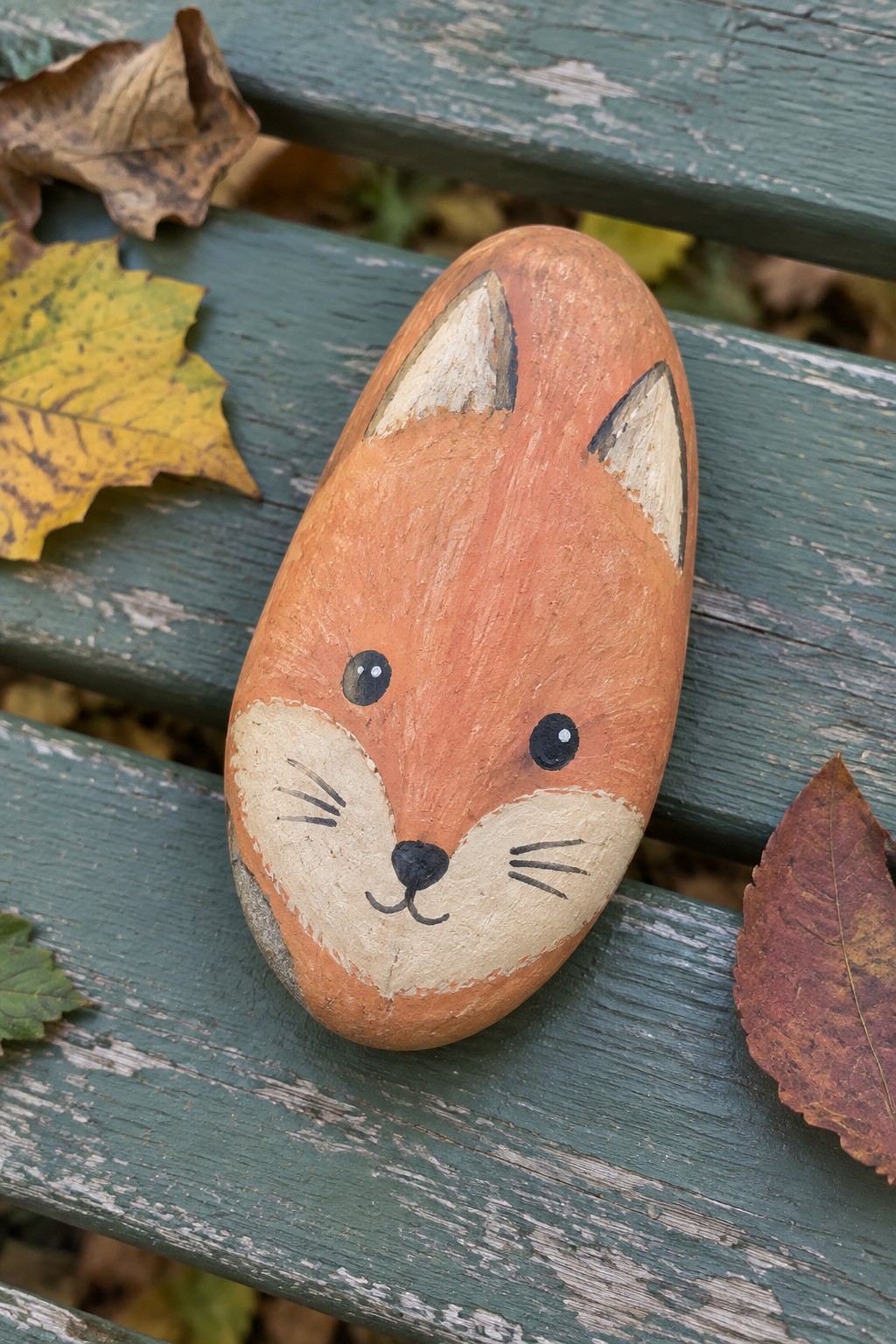
An oval river rock painted as a fox face uses its natural rounded shape to suggest an animal head without needing extra carving or shaping. Warm orange covers the main surface while cream tones block out the muzzle and inner ears, and black dots plus short lines add the eyes, nose, and whiskers. This animal rock idea relies on simple color blocking and minimal linework that follows the stone’s curve for a clean result.
The rounded stone shape makes this smart for tucked-in spots like planter edges, porch steps, or small shelf displays. You could rework the same layout on a flatter rock by widening the muzzle area or switch the orange to softer peach or blush tones to fit a pastel color palette. For garden decor, this type of painted rock blends easily into mulch or among potted plants without looking out of place.
Pastel Cloud and Sun Painted Pebbles
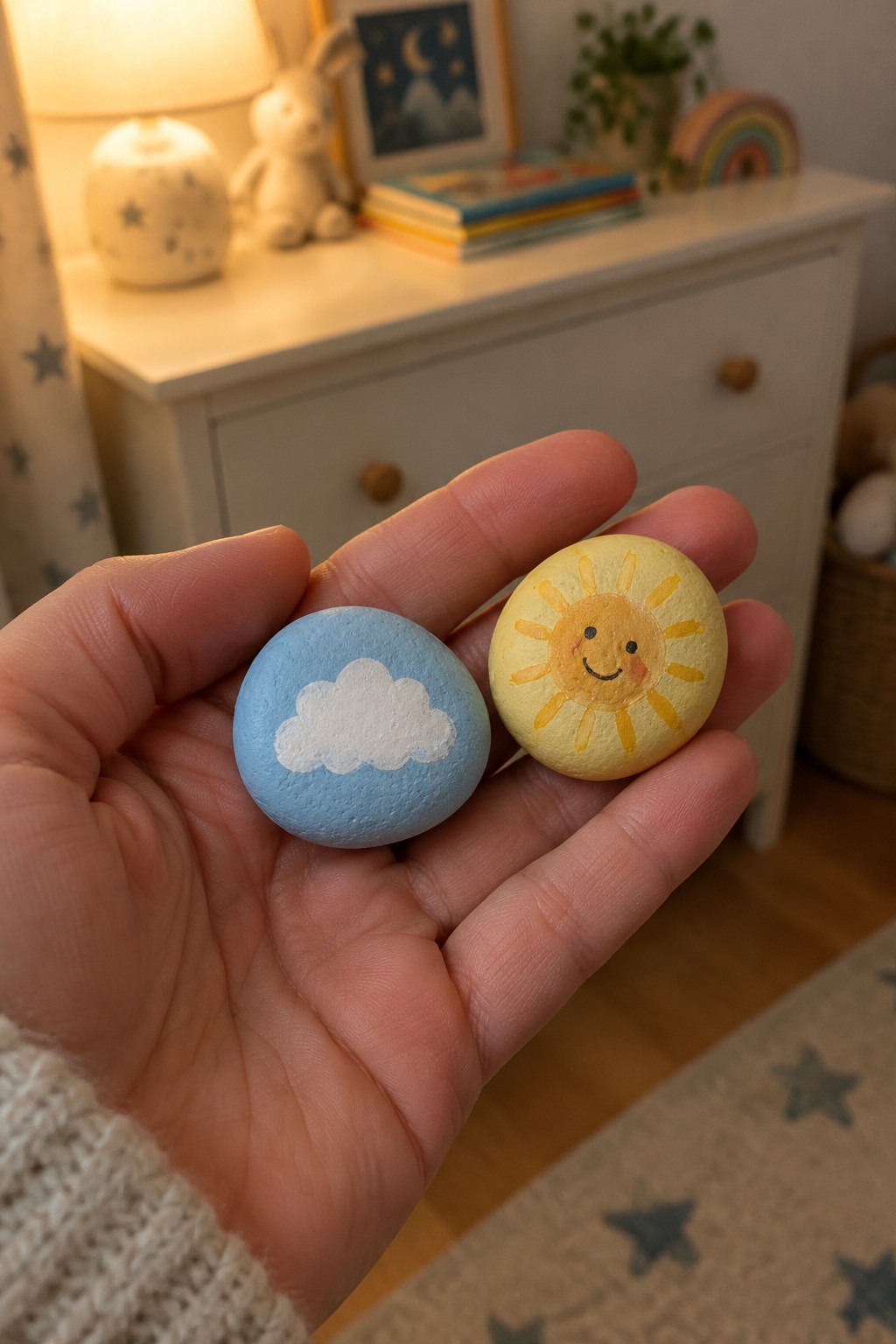
A pair of small rounded stones works well for this simple weather theme in soft pastels. One light blue pebble carries a white cloud motif across its curved surface, while the yellow stone shows a basic sun face with short rays and minimal facial details. The smooth, compact shapes let the color areas stay clean and the motifs stay visible without crowding.
What makes this idea useful is how easily the two stones function as a matching set. Place them together on a dresser, in a plant tray, or inside a shallow bowl for a subtle accent that does not take up much space. The same approach adapts quickly to other pastel backgrounds or slightly larger pebbles if you want to adjust the cloud size or add one more ray. The straightforward motifs also translate well to a quick weekend project when you want matching pieces without complex layering.
Soft Pastel Dot Mandala Stone
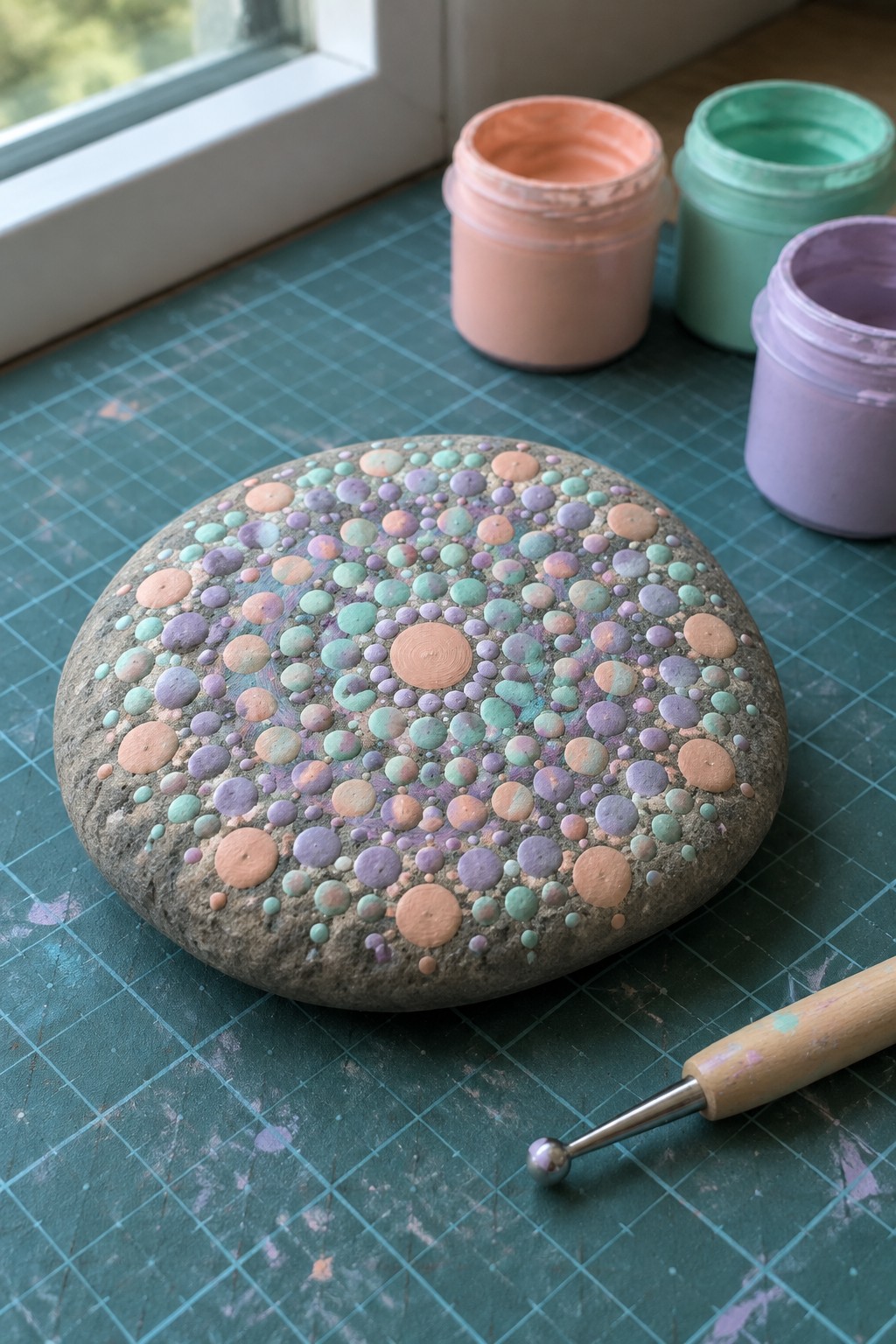
A smooth, rounded stone receives rings of small dots in soft peach, mint green, lavender, and aqua. The pattern starts with a larger central dot that has fine concentric rings, then expands outward in repeating circles that follow the stone’s natural curve. This creates a balanced mandala-style design using only dots and the rock’s existing shape.
What makes this idea useful is how the dot rings can be scaled up or down depending on the size of the stone you find. The same layout works well as a windowsill accent, tucked into a planter, or added to a group of painted stones on a shelf. You can reuse the color set on a flatter pebble or stretch the rings farther apart if the rock has more surface area.
Ice Cream Cone Painted Stone
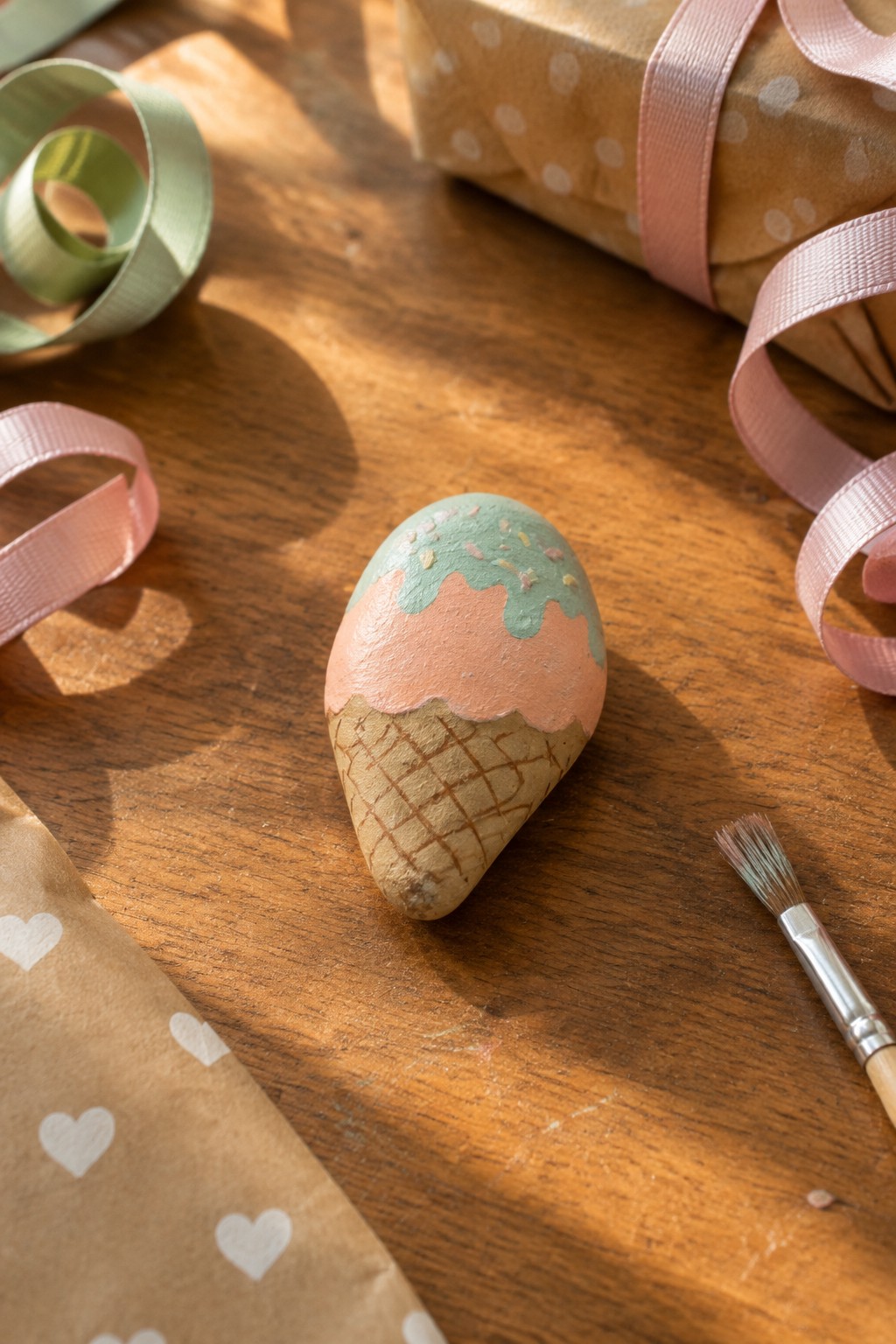
A smooth rounded stone gets painted to look like a soft serve ice cream cone by using the natural egg shape to separate the cone section from the scoops. The bottom half receives a brown grid pattern that follows the curve of the rock to suggest a waffle texture while the upper half uses simple blocks of peach and mint green to create two stacked scoops. Small dots scattered across the top scoop stand in for sprinkles and keep the whole design light and readable even on a small surface.
What makes this idea useful is how the rock shape itself does most of the work so only basic color blocking and a few lines are needed to make the cone read clearly. The same approach works on any oval or teardrop stone and you can swap the peach and mint for other soft pastel flavors without changing the layout. A painted rock like this slips easily into a gift box or sits on a shelf as a small seasonal accent since the food motif stays recognizable from across a table.
Frequently Asked Questions
What materials do I need to create stone paintings in soft pastel colors?
Acrylic paints work best for soft pastel effects on stones because they adhere well and dry quickly. Start with a set of pastel shades like mint, blush, lavender, and pale yellow. You will also need smooth river rocks or pebbles, fine detail brushes, a white acrylic base coat for better color vibrancy, and a clear sealant spray to protect the finished designs.
How do I prepare stones before applying pastel paint designs?
Clean each stone thoroughly with warm soapy water to remove dirt and oils, then let them dry completely. Apply a thin layer of white primer or gesso to create an even surface that makes pastel colors stand out. Sand any rough edges lightly with fine grit sandpaper if needed to avoid brush snags during painting.
What techniques help bring out the cute details in soft pastel stone ideas?
Use light layers of paint and blend colors softly with a dry brush for that gentle pastel look. Start with larger shapes like clouds or hearts, then add fine details such as tiny dots or lines with a small brush once the base dries. Work in a well lit area and test color mixes on paper first to keep hues soft rather than bold.
How should I protect the finished pastel painted stones for outdoor use?
Apply two thin coats of an outdoor rated clear acrylic sealant after the paint has dried for at least 24 hours. Let each coat dry fully between applications. This step prevents fading from sunlight and helps the designs withstand light rain while keeping the soft colors intact.
Where can I display or use these cute painted stones effectively?
Place them in potted plants, along garden paths, or in a decorative bowl on a windowsill for a cheerful accent. They also make thoughtful handmade gifts when wrapped in tissue paper or added to a child’s play area as counting or story props. Rotate designs seasonally by storing extras in a dry box.
